Accounting · Business trips and tax risks
You bought plane tickets through the company, paid for the hotel with a corporate card, met a client, signed a contract and brought back a new project. The expenses seem obviously connected with the business.
But a few years later, in an inspection, the NRA may decide otherwise.
In practice many owners of Bulgarian companies are surprised when tax inspectors exclude perfectly genuine business trips from expenses. The reason is usually not a lack of tickets or hotel bills. The main question for the NRA is a different one:
On what basis did this particular person represent the company?
For owners of an EOOD (a single-member limited liability company) who are at the same time managers and self-insured persons (SIPs), this question can be decisive.
Not every business trip counts as a business trip for tax purposes
Entrepreneurs often follow simple logic: if the trip was useful to the business, the company’s expenses are justified.
Bulgarian tax law takes a broader view.
To have expenses recognised, it is not enough to prove that the trip took place. You must also show that the person had a legal basis to act on behalf of the company and that the trip itself meets the requirements of the legislation on business trips.
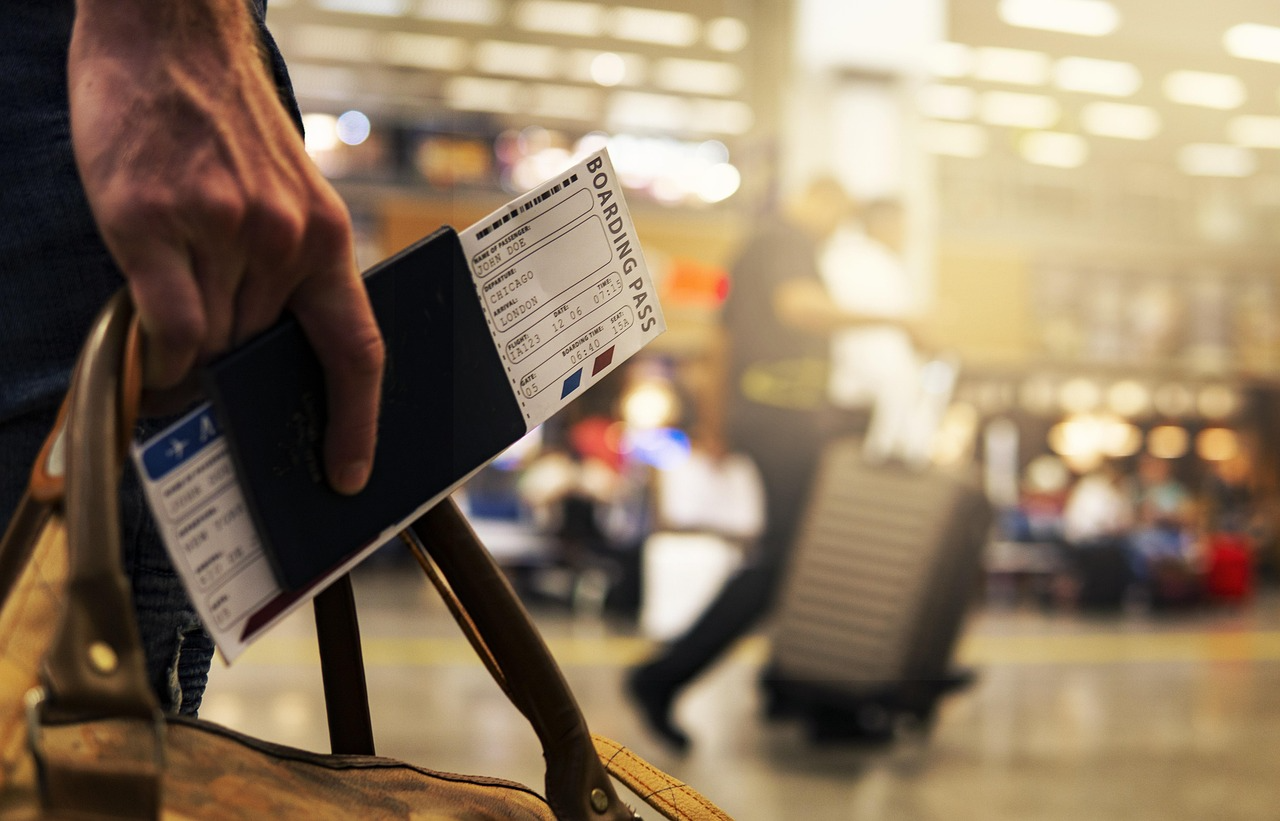
In other words, having a boarding pass does not mean having a tax-deductible expense.
Why EOOD owners run into the most problems
When the company has an employee under an employment contract, or a manager under a management and control contract (DUK), the basis of the person’s relationship with the company is usually clearer. But the business purpose of the trip and the expenses must still be supported.
The difficulties begin when the owner personally runs the company’s activity and is registered as a self-insured person (SIP).
Many business owners believe that since they pay contributions as self-insured persons and actually manage the company, they can freely arrange business trips for themselves and charge all the costs to the company.
This is exactly where one of the most common tax traps lies.
SIP status in itself does not automatically give a right to have business-trip expenses recognised.
At the same time, SIP status in itself does not mean a ban on recognising expenses: the person’s relationship with the company and the nature of the trip must be assessed.
In an inspection the NRA will analyse on what basis the owner carried out the specific activity for the company and whether the trip meets the requirements of the law.
A typical situation from practice
Imagine the owner of an IT company in Bulgaria.
He flies to Amsterdam for talks with a major client. The company pays for the flight, the hotel and local transport. After the talks, a software development contract is signed.
From a business point of view, the trip is fully justified.
But if the owner’s relationship with the company was documented incorrectly, the NRA can still exclude the travel expenses from the company’s tax-deductible costs.
For many entrepreneurs this is exactly the unexpected part.
What the NRA checks first
During an inspection, inspectors usually look at three circumstances.
- First, who exactly made the trip.
- Second, what relationship exists between that person and the company.
- Third, whether the real business purpose of the trip can be proven.
If even one of these elements looks doubtful, the risk of the expenses not being recognised rises significantly.
The most common mistake
The most common problem looks roughly like this:
The owner buys tickets at the company’s expense, flies to a meeting with partners, collects all the invoices and is sure that this is enough.
However, the documents only confirm the fact of the expense.
They do not answer the question of why the company, under the requirements of the law, should have borne these costs.
That is why inspectors often ask for additional evidence: contracts, correspondence, invitations, event programmes, reports on the talks and other documents showing the link between the trip and the company’s activity.
When a business trip turns into a personal trip
The NRA pays particular attention to situations where a business trip is combined with a holiday.
For example, an entrepreneur attends a two-day trade fair in Milan and then stays another five days with their family.
In that case the costs of the extra accommodation, meals or entertainment may already be treated as personal spending rather than business expenses.
Using a corporate card also does not automatically make personal expenses corporate.
Restaurants, shopping, holidays or family trips call for particular caution from a tax point of view.
How non-recognition of expenses can end
If the NRA disallows business-trip expenses, the company must increase its tax financial result.
This means additional corporate tax and interest for late payment.
But in some cases the consequences can be much more serious.
If the inspectors conclude that the company was in fact paying the owner’s personal expenses, the transaction may be reclassified as a hidden distribution of profit, with all the related tax consequences.
That is why it is better to settle the correct documentation of business trips before buying the tickets, not during a tax inspection.
How to reduce tax risks
Before organising a trip, it is worth checking in advance:
- on what basis the person acts on behalf of the company;
- whether a business trip has to be formally documented;
- which documents need to be prepared;
- how to prove the business purpose of the trip;
- which expenses can be reimbursed at the company’s expense.
Such a preliminary analysis usually takes much less time and money than a later dispute with the tax administration.
Conclusion
When it comes to business-trip expenses, the NRA assesses more than receipts and invoices.
The tax authority needs to understand who travelled, why they travelled and on what basis they represented the company.
So owners of an EOOD and self-insured persons should be especially careful when arranging trips. Even a fully genuine business trip that benefits the company can raise questions if the documents and legal grounds are prepared incorrectly.
Business trips, accounting and tax risks in Bulgaria
“Window to Bulgaria” helps entrepreneurs to properly organise their document flow, assess tax risks and prepare the necessary documents before the NRA raises any claims.
Planning to pay for a business trip at the expense of a Bulgarian company? Get advice in advance. It will help you avoid costly mistakes and additional tax assessments in future.
Legal basis: Corporate Income Taxation Act, Art. 33. The provision links the recognition of expenses with the company’s activity and its relationship with the person sent on the trip; trips made merely in the capacity of a shareholder or member of the company are not recognised for tax purposes.
Follow our publications: Telegram · Instagram · Facebook · Threads.